Weight Loss for Women: A Practical, Science-Backed Guide (That Actually Fits Real Life)
Why Weight Loss for Women Feels Different (and How to Work With It)
Let’s clear the air: the fundamentals of fat loss are the same for men and women—calories in vs. calories out. But women often face unique challenges:
- Body composition & hormones: Women typically have a higher body-fat percentage and monthly hormonal fluctuations that can affect appetite, water retention, training energy, and sleep.
- Life stages: Puberty, pregnancy/postpartum, perimenopause, and menopause shift where fat is stored (more midsection with age), how full you feel after meals, and recovery needs.
- Sociocultural load: Caregiving, career pressure, and chronic dieting history make consistency tough and metabolism adaptable (your body gets “efficient” after many diets).
The solution isn’t to fight your biology—it’s to align your plan with it: eat in a way that keeps you satisfied, lift to preserve muscle, move more in everyday life, sleep better, and harness your cycle rather than ignoring it.

Step 1: Set a Smart, Sustainable Calorie Target
Quick way (works for most):
- Estimate maintenance (the energy you’d need to maintain weight):
- Use 14–16 kcal per pound of current body weight as a ballpark if you’re moderately active.
- If you’re sedentary or petite (<5’3″), start lower (≈ 12–14 kcal/lb).
- Create a modest deficit: subtract 300–500 kcal/day.
- This usually equals 0.5–1.0 lb per week of fat loss—steady and sustainable.
- Check & adjust every 2–3 weeks:
- If weight isn’t trending down (averaged across the week), reduce by ~100–150 kcal or increase steps by ~1–2k/day.
Tip: Use a 7-day average for weight because hormonal shifts and sodium can swing water weight by 2–5 lb.
Step 2: Build Meals Around Protein, Fiber, and Plants
Protein (non-negotiable for women’s fat loss)
- Target 0.7–1.0 g per lb of goal body weight (1.6–2.2 g/kg).
- Split across 3–4 meals to stay full and protect lean muscle.
- Easy protein wins: Greek yogurt, cottage cheese, eggs/egg whites, chicken/turkey breast, tuna/salmon, shrimp, tofu/tempeh, lentils, protein shakes.
Fiber & plants
- Aim for 25–35 g fiber/day from vegetables, fruits, beans, and whole grains.
- Fill half your plate with colorful, high-volume vegetables at most meals.
- Include healthy fats (olive oil, avocado, nuts) but measure them; they’re calorie-dense.
Carbs aren’t the enemy
- Choose slow-digesting carbs (oats, quinoa, brown rice, sweet potatoes, beans) to support training and energy.
- Time a portion pre- or post-workout for better performance and recovery.
Step 3: Train Like You Mean It—Strength is the Secret
Why lifting matters for women:
- Preserves or increases lean muscle, which keeps metabolism robust.
- Improves insulin sensitivity, bone density, posture, and confidence.
- Shapes your physique far more than cardio alone.
Beginner Strength Template (2–4 days/week)
Day A
- Goblet Squat – 3×8–12
- Dumbbell Bench Press – 3×8–12
- One-Arm Dumbbell Row – 3×8–12/side
- Romanian Deadlift – 3×8–12
- Plank – 3×30–45s
Day B
- Hip Thrust – 4×8–12
- Overhead Dumbbell Press – 3×8–12
- Lat Pulldown (or Assisted Pull-Up) – 3×8–12
- Split Squat – 3×8–12/leg
- Side Plank – 3×20–30s/side
- Progress by adding 1–2 reps or small weight increases weekly.
- Keep rest 60–90 seconds between sets.
- Form first, then load.
Cardio & NEAT
- Walking is your fat-loss MVP. Aim for 8–12k steps/day if possible.
- Add 2–3 short cardio sessions (15–25 min Zone 2 or a few 30–60s intervals).
- Stand, pace on calls, take stairs: NEAT boosts calorie burn without hunger spikes.
Step 4: Match Your Plan to Your Life Stage
20s–30s
- Focus on strength foundation and protein habits.
- If you menstruate, you may notice more energy follicular phase (week after your period starts). Schedule heavier lifts here.
Pregnancy & Postpartum (general guidance only)
- Weight loss is not the goal during pregnancy. Focus on nutrient density and provider guidance.
- Postpartum: begin with pelvic floor rehab, walking, then rebuild strength. Protein & fiber help with satiety and energy.
40s–50s: Perimenopause
- Fluctuating estrogen/progesterone can increase appetite, reduce sleep quality, and shift fat to the waist.
- Protein at the higher end, resistance training 3–4×/week, and sleep safeguards become pivotal.
- Creatine monohydrate (3–5 g/day) can support strength and muscle retention.
50s–60s+: Menopause & Beyond
- Estrogen decline lowers muscle and bone density potential—lifting and protein are your protectors.
- Keep training joints-friendly (machines, controlled tempo).
- Keep walking and consider mobility/yoga for recovery.
Always consult a licensed healthcare provider for personalized medical advice, especially if you have conditions (thyroid, diabetes, PCOS, hypertension).
Herbtonics Apple Cider Vinegar with Keto BHB Salts
alli Weight Loss Diet Pills, Orlistat 60 mg Capsules, Non Prescription Weight Loss Aid, 120 Count Refill Pack
Alli is an approved weight loss pill that helps block about 25 percent of the fat you eat from being absorbed
The Natural “At-Home Liposuction
Method” That Supports Healthy & Steady Weight Loss
Step 5: Make Hunger & Cravings Work For You
- Front-load protein: 25–40 g at breakfast curbs daytime cravings.
- Volume tricks: Start meals with a salad/soup; swap ½ your starch for extra vegetables.
- Snack smart: Greek yogurt + berries; apple + string cheese; protein shake + baby carrots.
- Drink enough water: Thirst masquerades as hunger.
- Delay tactic: Craving? Set a 10-minute timer and walk or do a chore—many urges pass.
What About Hormones, PCOS, or Thyroid?
- Hormones impact appetite, water retention, and energy, but they don’t break the laws of physics. You can still lose fat with the right deficit and resistance training.
- PCOS: Higher protein, fiber, and resistance training help. Some find carb distribution (more around workouts) stabilizes energy. Work with a clinician for meds or individualized plans.
- Hypothyroidism: Treat medically first. Once stabilized, use a slower deficit and emphasize strength and steps.
Supplements (Optional, Not Magic)
- Creatine monohydrate: 3–5 g/day for strength, muscle, cognitive benefits; safe and well-studied.
- Protein powder: Convenience to hit targets.
- Omega-3 (EPA/DHA): If your fish intake is low.
- Vitamin D3: If deficient (common in many US regions).
- Caffeine: Can aid workouts—avoid late afternoon if sleep suffers.
Skip: “Fat burners,” detox teas, and anything promising fast loss. They’re usually stimulants, laxatives, or expensive hype.
A Simple 7-Day Meal Framework (Swap & Repeat)
Calorie needs vary—portion to your target. Each day aims for ~90–120 g protein minimum for many women; scale up if your goal requires more.
Breakfast Options (pick one daily)
- Greek yogurt parfait: 1–1.5 cups Greek yogurt, berries, 1–2 tbsp chopped nuts
- Veggie omelet: 2 eggs + 3–4 egg whites, spinach, peppers, salsa; 1 slice whole-grain toast
- Protein oatmeal: ½ cup oats cooked, stir in 1 scoop protein, add cinnamon & banana coins
Lunch Options
- High-protein salad: mixed greens, 4–6 oz chicken or tofu, beans, crunchy veggies, vinaigrette
- Turkey wrap: 4–6 oz turkey, whole-grain tortilla, hummus, greens; side carrots
- Salmon rice bowl: 4–6 oz salmon, ¾ cup brown rice, cucumber, edamame, sesame & soy-ginger
Dinner Options
- Sheet-pan chicken & veggies with baby potatoes
- Stir-fry: extra-lean beef or tempeh, broccoli/peppers, ¾ cup cooked jasmine/brown rice
- Turkey chili with beans; side salad
Snacks (1–2/day as needed)
- Cottage cheese + pineapple
- Apple + peanut butter (measure 1 tbsp)
- Protein shake + rice cake
- String cheese + grapes
Dining Out in the USA: Quick Ordering Guide
- Choose grilled over fried, veggies as a side, sauces on the side.
- Mexican: fajitas, burrito bowl (extra veggies, moderate rice, beans, salsa).
- American: burger no bun or grilled chicken sandwich; side salad or fruit.
- Asian: steamed or stir-fried with lean protein; ask for light oil; rice portion ≈ fist-size.
- Mediterranean: kabobs, Greek salad with chicken, hummus; pita in moderation.
Read more: eWay Market
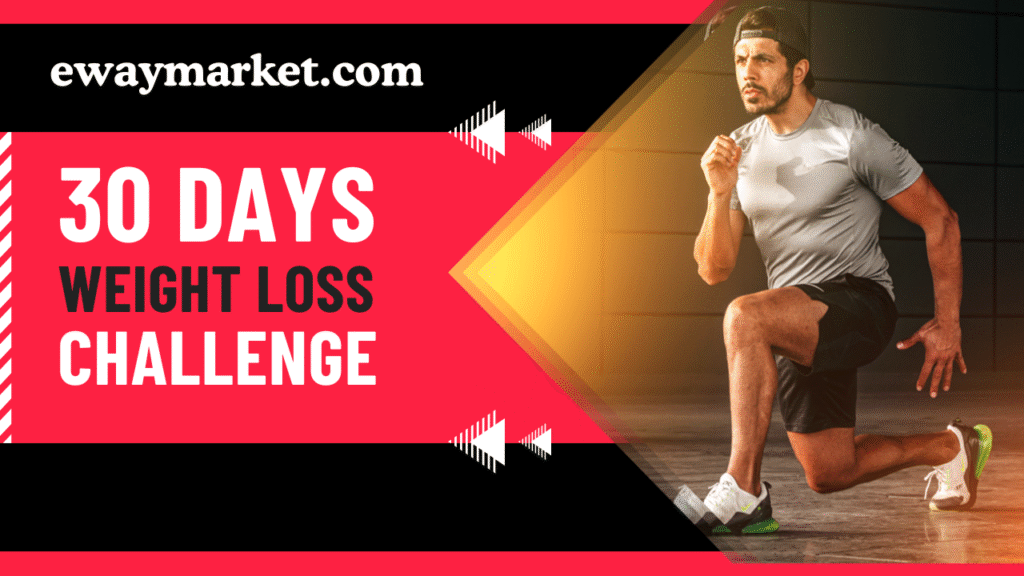
A 4-Week Beginner Training Plan (for Busy Women)
Weekly Targets:
- Strength: 3 sessions (40–50 minutes each)
- Steps: Aim for 8–12k/day (start where you are; add 1–2k weekly)
- Cardio: 2 short sessions (20–25 min Zone 2) after strength or on off-days
- Mobility: 5–10 minutes at the end of each session
Week 1–2 (Learn the moves)
- Day 1 (A): Goblet Squat, DB Bench, One-Arm Row, RDL, Plank
- Day 3 (B): Hip Thrust, DB Overhead Press, Lat Pulldown, Split Squat, Side Plank
- Day 5 (A): Repeat Day 1 with slightly fewer reps if sore
- Cardio: Two walks at a brisk pace for 20–25 min
Week 3–4 (Progress)
- Keep same exercises; add 1 set to the first two lifts each day, or add 5 lb if form is solid.
- Add one interval session: 8 rounds of 30s fast / 90s easy (bike, rower, incline walk).
Form Notes:
- Move with control.
- Full range without pain.
- If a joint hurts, modify—swap goblet squat for leg press, or lunges for step-ups.
Sleep, Stress, and the “Invisible” Fat-Loss Levers
- Sleep 7–9 hours: Poor sleep increases hunger hormones and cravings.
- Stress plan: 10 minutes of breathwork, journaling, or a walk—daily.
- Environment design: Keep protein-rich snacks visible; portion sweets into single servings; avoid shopping hungry.
- Routine beats motivation: Same breakfast most days; train at the same time slots; set step “anchors” (e.g., 10-minute walk after lunch).
Tracking Without Obsessing
Pick one or two primary metrics and one secondary:
Primary (choose 1–2):
- Weekly weight trend (7-day average)
- Tape measurements (waist/hips) every 2 weeks
- Progress photos (same lighting/clothes) every 2–4 weeks
- Clothes fit & strength PRs
Secondary:
- Steps/day, workouts completed, protein/fiber grams, sleep hours.
If numbers cause anxiety, lean on behaviors (workouts, steps, protein) and subjective wins (energy, mood, confidence).
Common Pitfalls (and Easy Fixes)
- Under-eating protein: Bump breakfast to 25–40 g and add a protein-anchored snack.
- Drinking your calories: Coffee creamers, smoothies, and wine add up. Prefer black coffee/unsweetened tea, and budget alcohol (or pause it).
- Weekend wipeouts: Keep calorie deficit small on weekdays so weekends don’t feel like “escape mode.” Plan one enjoyable meal and keep the rest routine.
- Scale drama: Expect hormonal water fluctuations; zoom out to 2–4-week trends.
- All-or-nothing mindset: A “B-minus” plan followed daily beats an “A-plus” plan followed rarely.
Sample Day (≈1,700–1,900 kcal example)
- Breakfast: Protein oats (½ cup oats + 1 scoop whey), blueberries, cinnamon
- Lunch: Chicken salad bowl: 5 oz chicken, greens, tomatoes, cucumber, ½ avocado, vinaigrette
- Snack: Greek yogurt (2% plain) + strawberries
- Dinner: Salmon (5–6 oz), roasted asparagus, ¾ cup quinoa
- Evening: Herbal tea; if hungry, cottage cheese (½ cup)
Protein ≈ 120–140 g, Fiber ≈ 28–35 g. Adjust portions to your target.
Special Notes for US Readers
- Grocery shortcuts: Rotisserie chicken, frozen mixed veggies, steam-in-bag rice, pre-cut fruit, canned beans/tuna.
- Budget-friendly proteins: Eggs, canned salmon/tuna, chicken thighs (trimmed), dry beans/lentils, Greek yogurt in bulk tubs.
- Eating on the road: Gas stations increasingly stock Greek yogurt, jerky, string cheese, fruit cups, and hummus packs—build a protein-plus-produce combo.
Mindset: The 3-C Framework
- Clarity: Know your calorie range, protein target, weekly schedule.
- Consistency: Nail the basics 80% of the time; no plan is perfect.
- Compassion: You’re human. If you miss, resume next meal—never “start over Monday.”
Quick FAQ: Weight Loss for Women
Q: What’s a healthy rate of weight loss for women?
A: About 0.5–1.0 lb per week. Smaller deficits are easier to maintain and protect muscle.
Q: Do I need low-carb or keto?
A: No. Choose the carb level that helps adherence and training. Many women do well with moderate carbs and higher protein/fiber.
Q: Can I spot-reduce belly fat?
A: No. Fat comes off systemically, but lifting + deficit reduces overall fat and strengthens your midsection for a tighter look.
Q: What about intermittent fasting?
A: It’s a meal schedule, not magic. If it helps you eat fewer calories and feel good, it’s fine. Some women find fasting worsens cravings—test and choose.
Q: Is cardio or weights better?
A: For fat loss and shape, prioritize weights and use walking/cardio to help the calorie deficit and heart health.
Q: How do I handle perimenopause weight gain?
A: Keep protein high (0.7–1.0 g/lb goal weight), lift 3–4×/week, walk more, protect sleep aggressively, and consider discussing therapy options with your clinician.
Q: Do I have to track calories?
A: Not necessarily. You can use hand-portion guides (palm-sized protein, fist-sized carbs, thumb of fats, ½ plate veggies) and monitor the 2–4-week trend.
| Weight Loss for Women, Weight Loss for Women, Weight Loss for Women, Weight Loss for Women, Weight Loss for Women, Weight Loss for Women
Weight Loss for Women, Weight Loss for Women, Weight Loss for Women, Weight Loss for Women, Weight Loss for Women, Weight Loss for Women
Weight Loss for Women, Weight Loss for Women, Weight Loss for Women, Weight Loss for Women, Weight Loss for Women, Weight Loss for Women|